“ARE YOU GOING TO POSE US?”
3 REASONS WHY POSING ENHANCES YOUR WEDDING PHOTOS
When it comes to finding a professional wedding photographer, no other photography trend in the past decade has seen a surge in popularity quite like “wedding photojournalism”. In fact, the top Google search term that leads people to my website is “photojournalistic wedding photographer”, trailed by “wedding photojournalism”. More wedding photographers today, myself included, are selling themselves as photojournalists as more couples continue to seek the distinctive style to capture their weddings.
First of all, what exactly is photojournalism and why is it so popular? Simply put, photojournalism is a medium of photography that communicates news and events through imagery. Photojournalists capture events candidly with minimal interference to document an event as it unfolds in real time to tell its story. Weddings in particular are full of special moments that collectively create personal stories that are memorable and emotional. The versatility of photojournalism also strongly lends itself to artistry. Less focus on posing allows a photographer to pay more attention to their surroundings, allowing for out-of-the box creativity to better illustrate a story. So it’s easy to see the appeal of photojournalism for both brides and photographers alike.
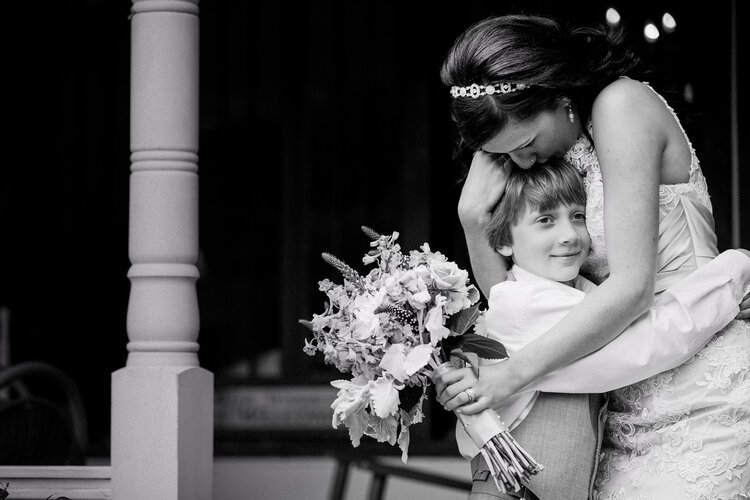
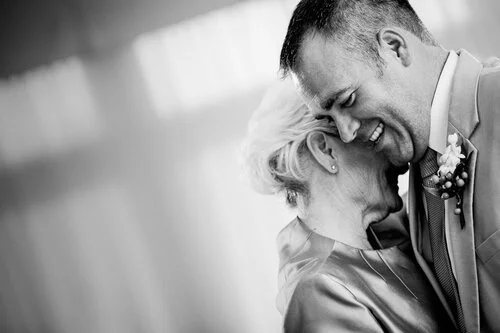
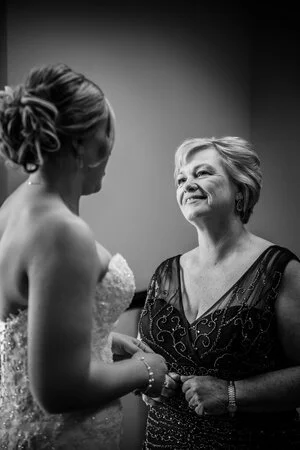
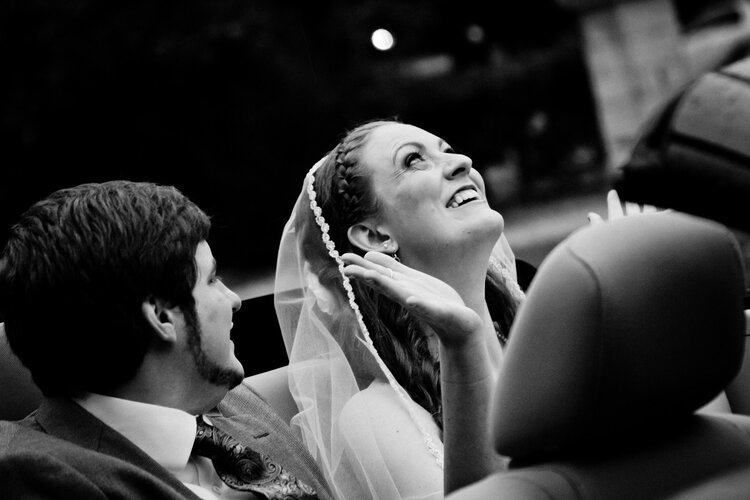
While many may have a good grasp of what wedding photojournalism is, an all too common question that brides ask me about is, “Are you going to pose us?”. The short answer is yes. Despite the definition of photojournalism prohibiting a photographer’s influence in the scene before them, most, if not all wedding photojournalists do take posed portraits in every wedding they attend. And while we do what we can to alter a scene by altering our own perspective and vantage points, it’s not uncommon to provide simple direction to improve a shot without impacting the outcome of a moment.
So let’s break down the benefits of why, despite going against the definition of photojournalism, being in control greatly benefits wedding photography.
1 - Portraits are a part of the wedding story.
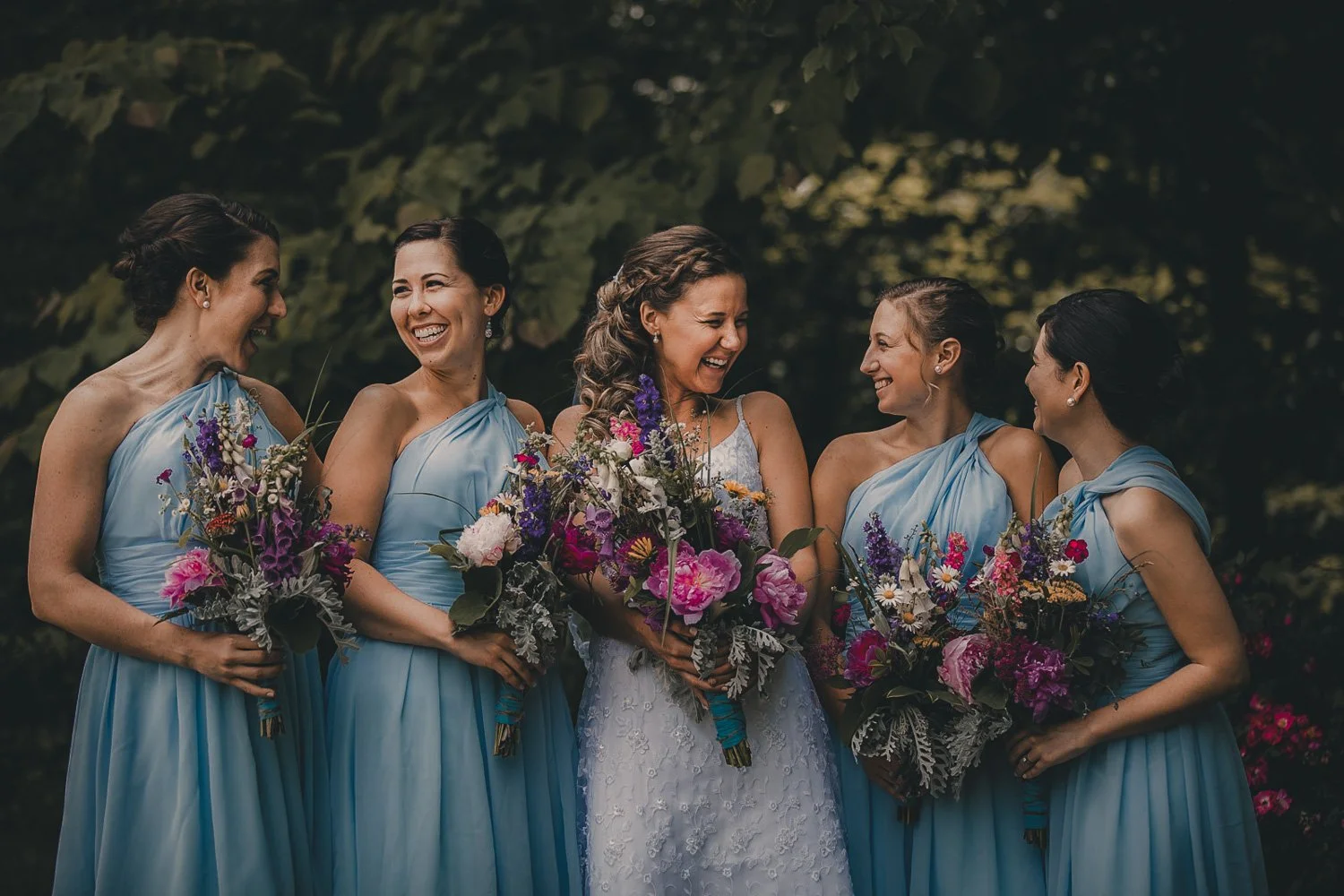
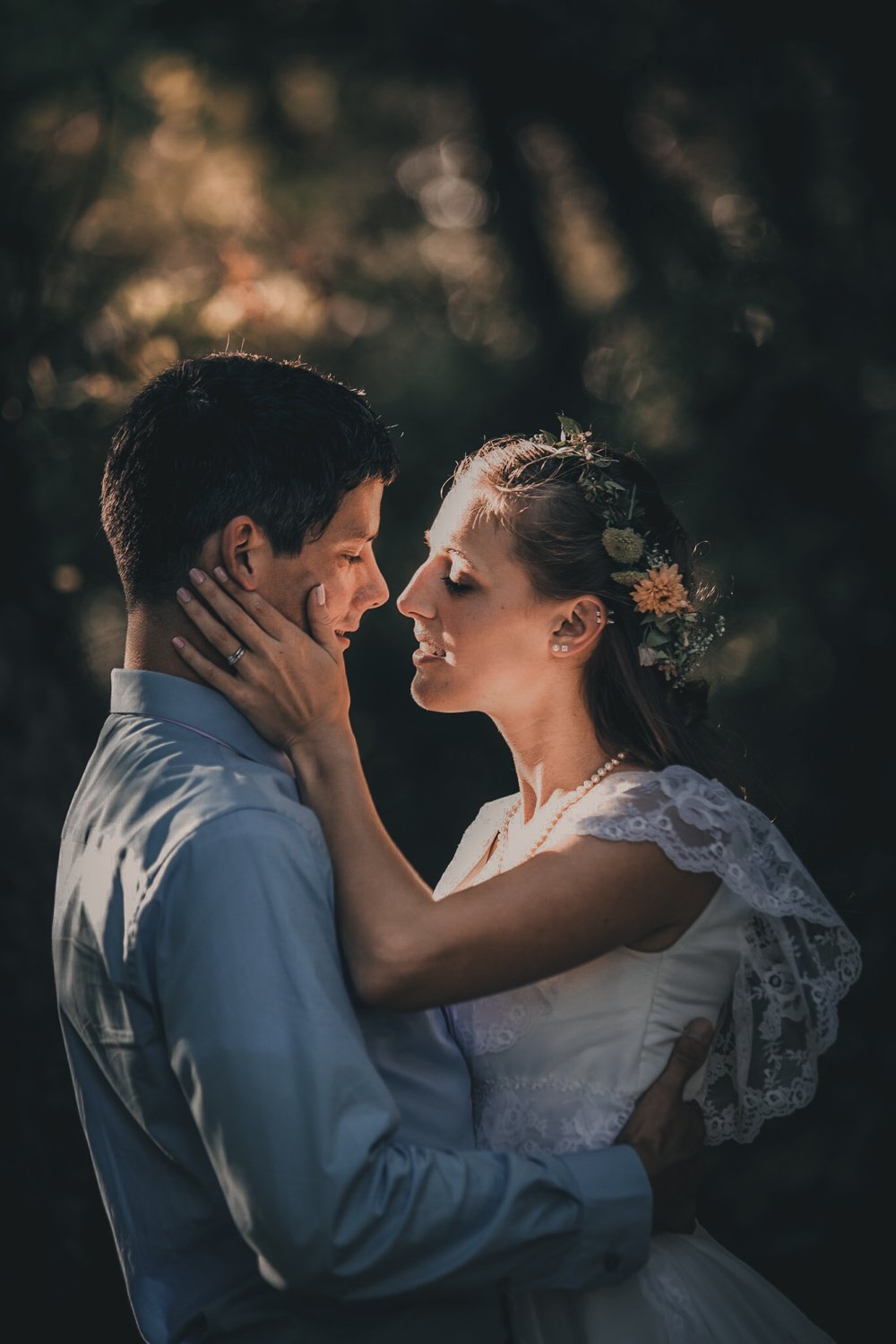
Firstly, the use of the terms “posed” and “unposed” are oversimplifications of roles that don’t quite convey what creative portraiture truly entails. The more appropriate term is “guided”. Brides and grooms can rest assured knowing that they are absolutely not required to have any experience in modeling or posing in order to look great in photos. That burden falls on the photographer. With simple guidance and direction, a photographer can successfully instruct people to relax and naturally express themselves, making for flattering and elegant images that are emotionally truthful. Some even apply an editorial “vogue” style to some portraits as a showcase of a bride’s beauty and elegance in her wedding dress, fully accessorized with finished hair and makeup. These portraits are often described as stylistically fashion-forward. Despite the added poise of these portraits, the expressions remain consistently natural, therefore keeping the flow of the wedding story intact.
Related Articles
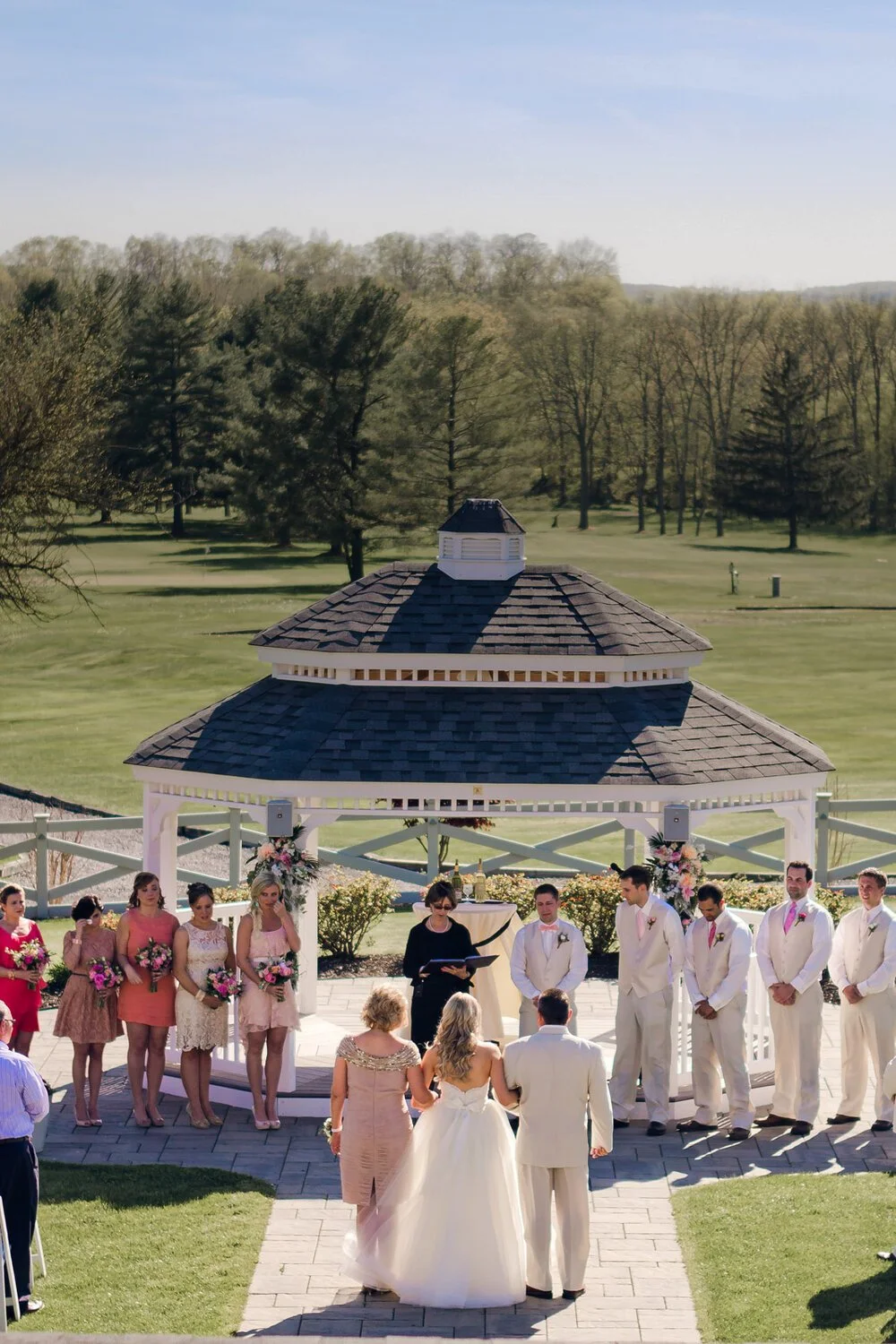
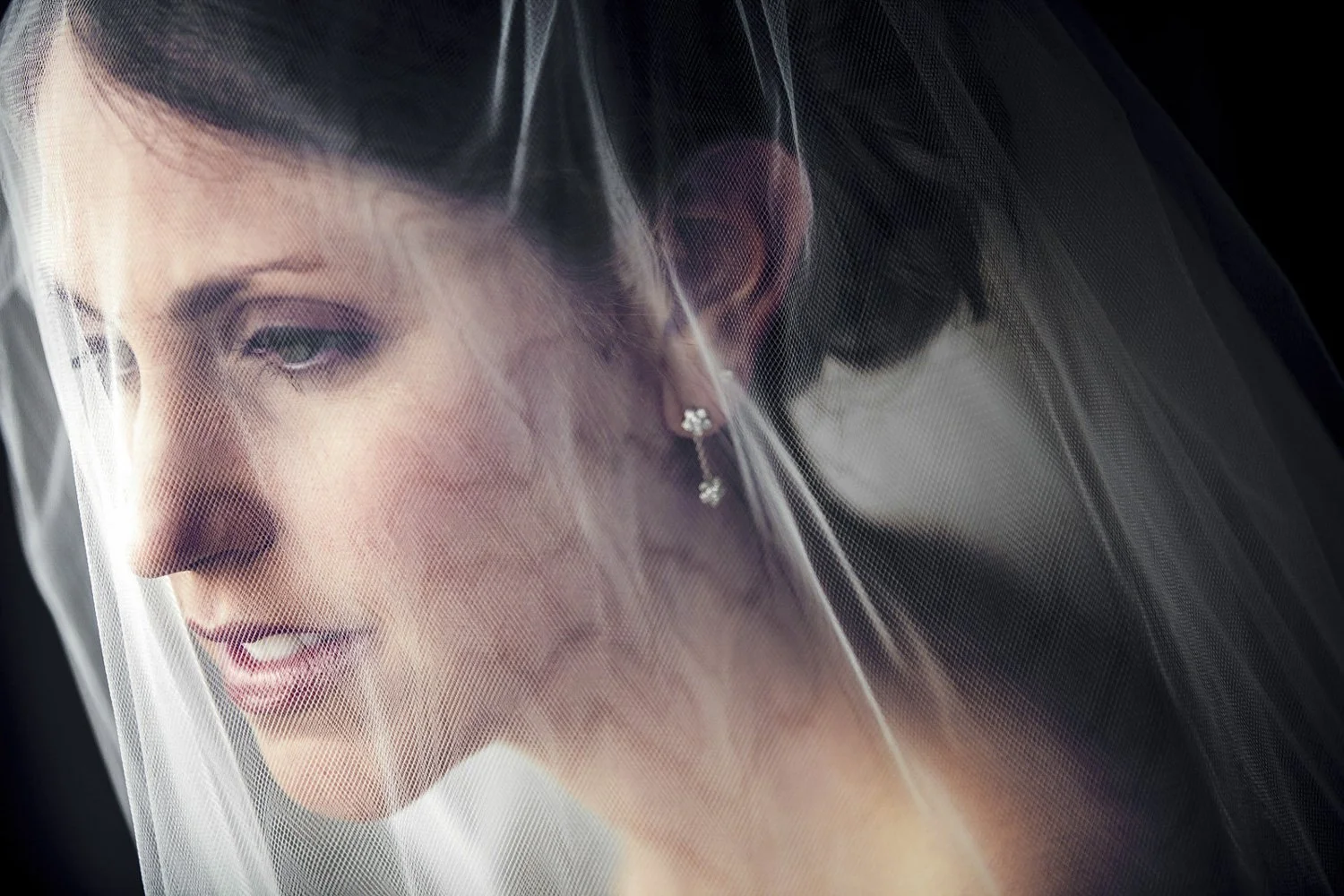
Natural expression is very important in the context of photojournalistic portraiture. Weddings are stories of love and relationships after all. So it only makes sense to show those connections between the bride and groom as well as with their loved ones. Additionally, these types of portraits would be in line with the un-posed nature of the entire collection of wedding photos to create a complete wedding story with substance and character.
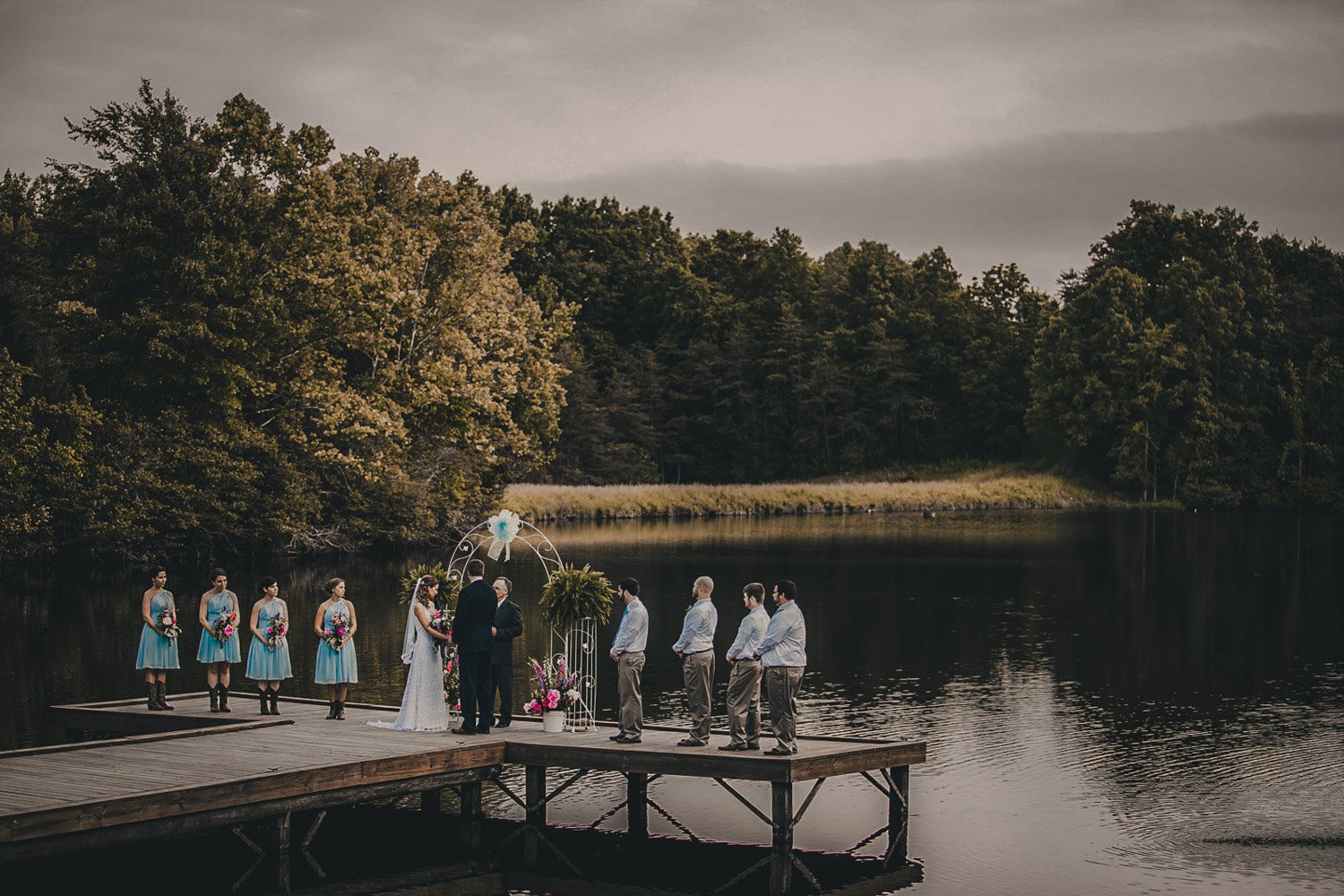
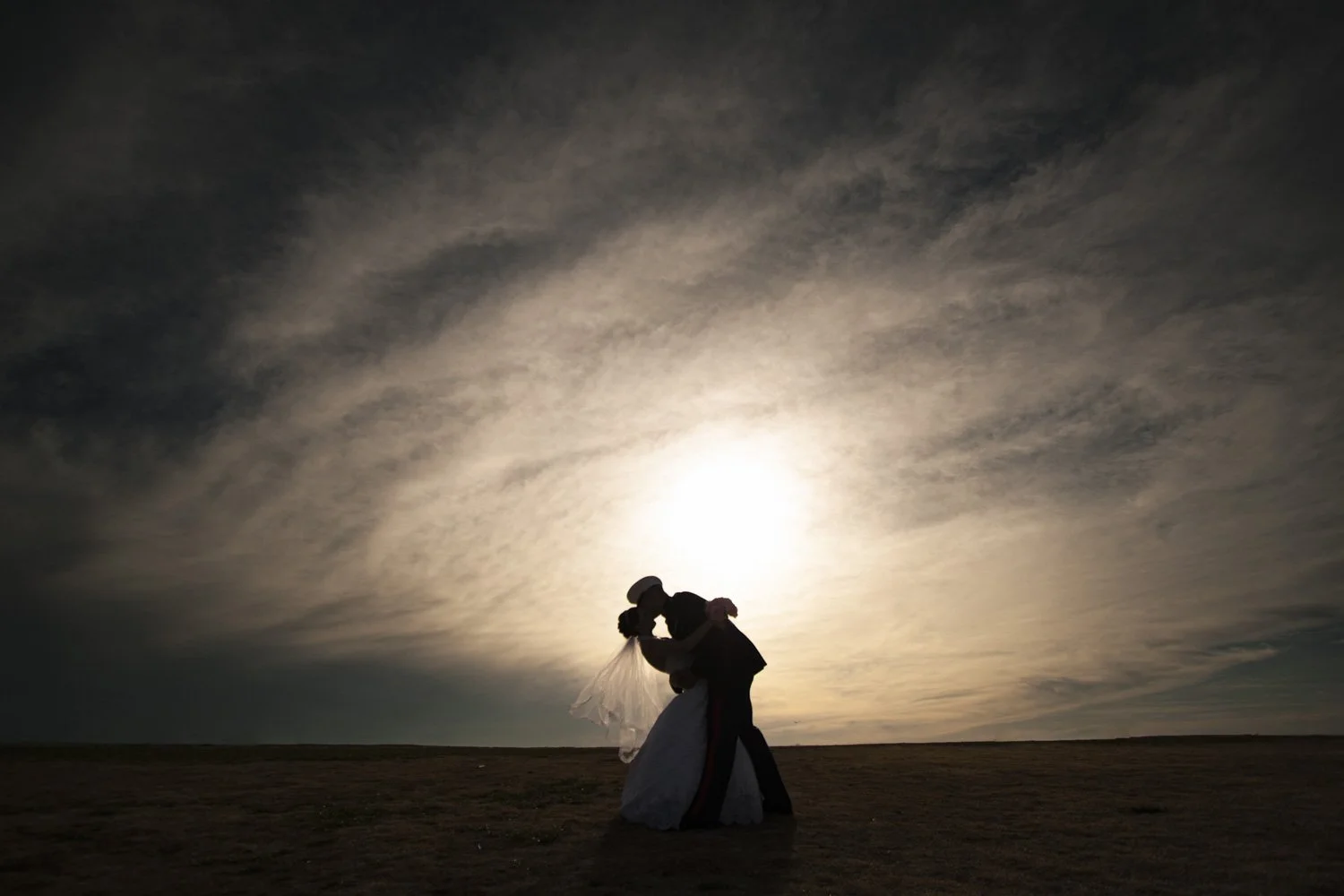
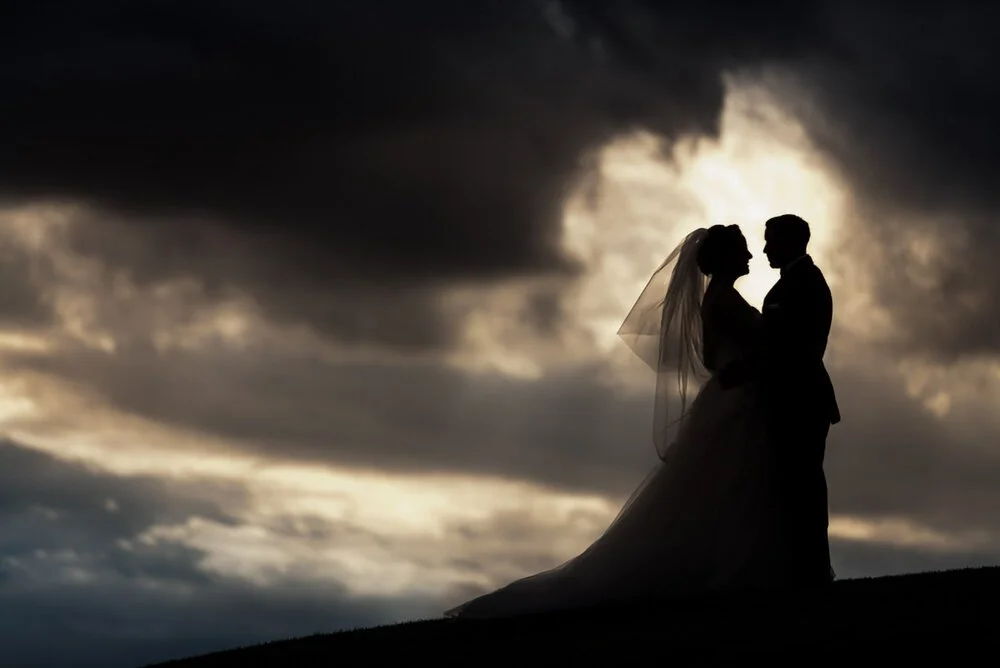
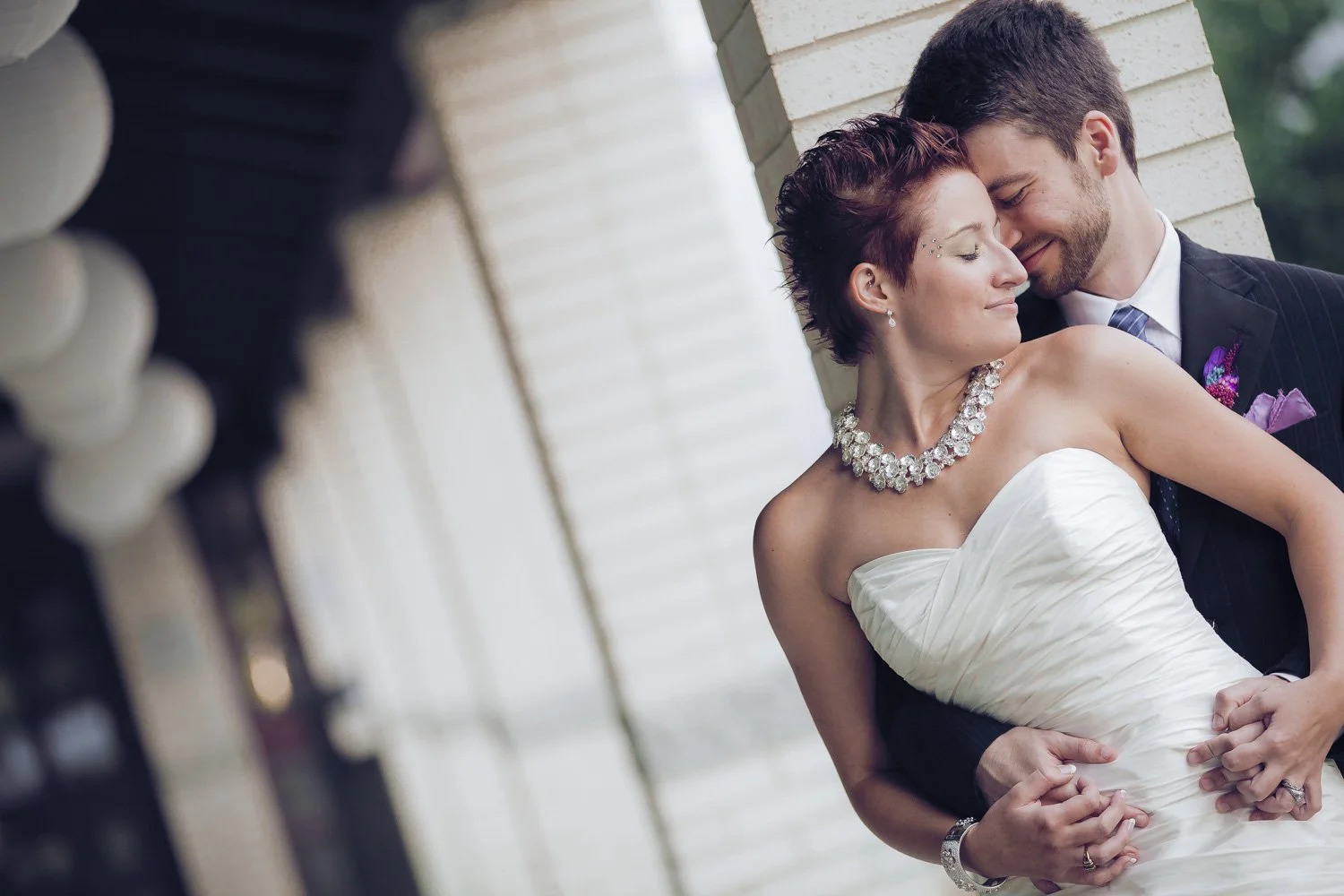
Portraits are the photos most likely to be hung on the walls in the newlyweds’ home so they are treated with extra care and finesse. The unconventional and artistic approach to capturing a wedding as a photojournalist also applies to wedding portraiture to great effect. Observant photographers often use various elements from their surroundings to serve as a backdrop to frame and complete the photo. The results are portraits with added flair and creativity with more emotional depth and drama.
2 - Lighting
The reason that any photographer, photojournalist or otherwise, takes control of a scene they want to capture largely revolves around lighting. Often times the best moments during a wedding occur in poor lighting conditions. Dim lighting, uneven lighting, and fluorescent lighting are some of the worst offenders of poor lighting situations photographers avoid. Even the light from a camera’s flash can sometimes derive an image of its natural look and feel as opposed to natural lighting, and is typically reserved as a last resort when superior lighting options are limited.
The quality of every photograph fundamentally comes down to the quality of lighting. So it’s important that at any wedding, a photographer assesses the lighting situation of an environment first. If I arrive at the hotel room where the groom and his groomsmen are getting ready, I may ask the groom to get dressed closer to the window. The beauty of window lighting offers a soft, directional light that never fails to gracefully flatter a person’s figure. During formal family portraits, I may conduct them outdoors in a shaded area away from a dark interior or under the harsh bright sunlight, thereby avoiding either dark and grainy photos, or “raccoon eyes”. At a dark reception hall I may set up a couple of external flash units placed at specific locations to properly illuminate formalities like cake cutting, toasts, and especially the dancing. These are just a few examples of what can be done to vastly improve the quality of the photos taken at almost any given situation.
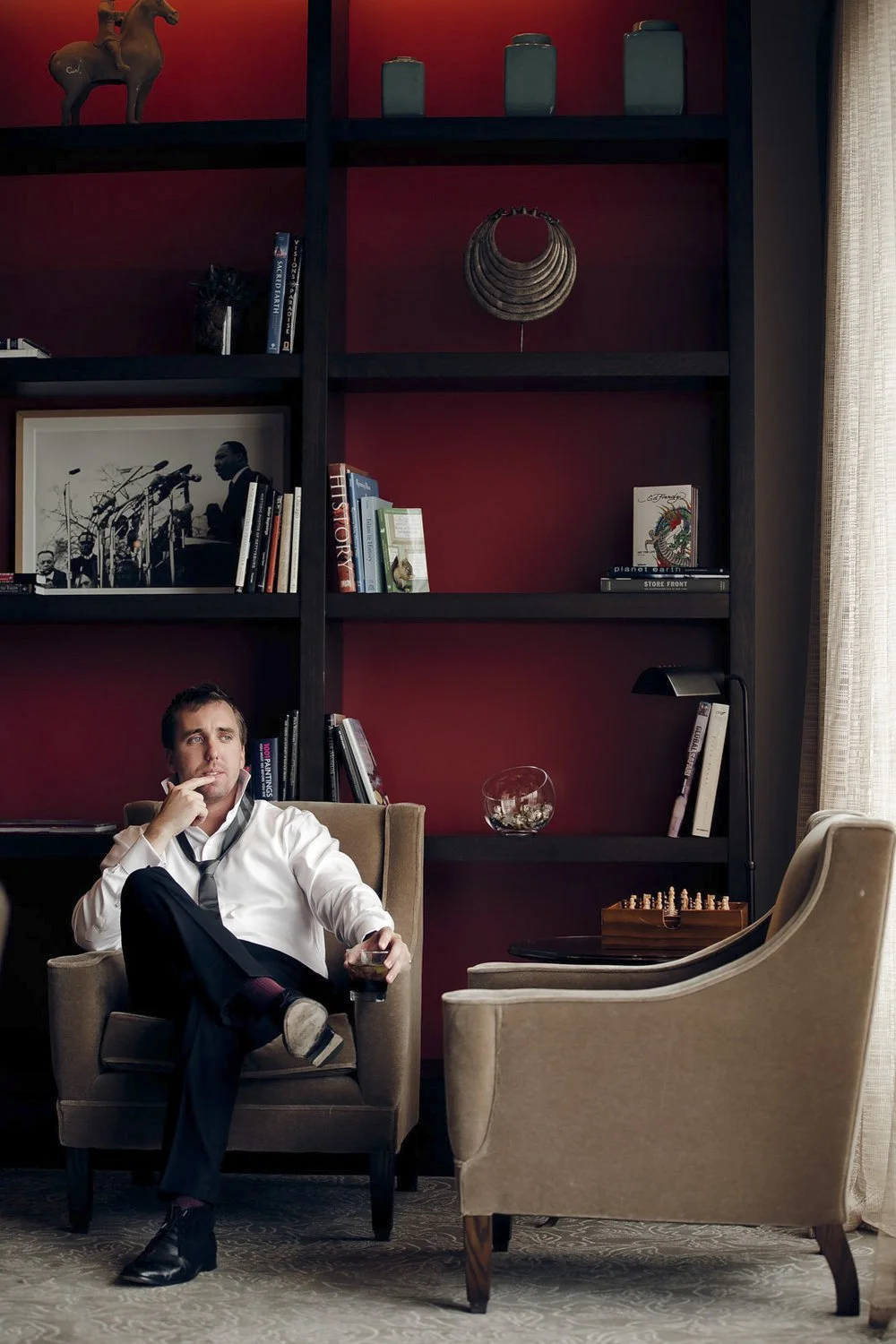
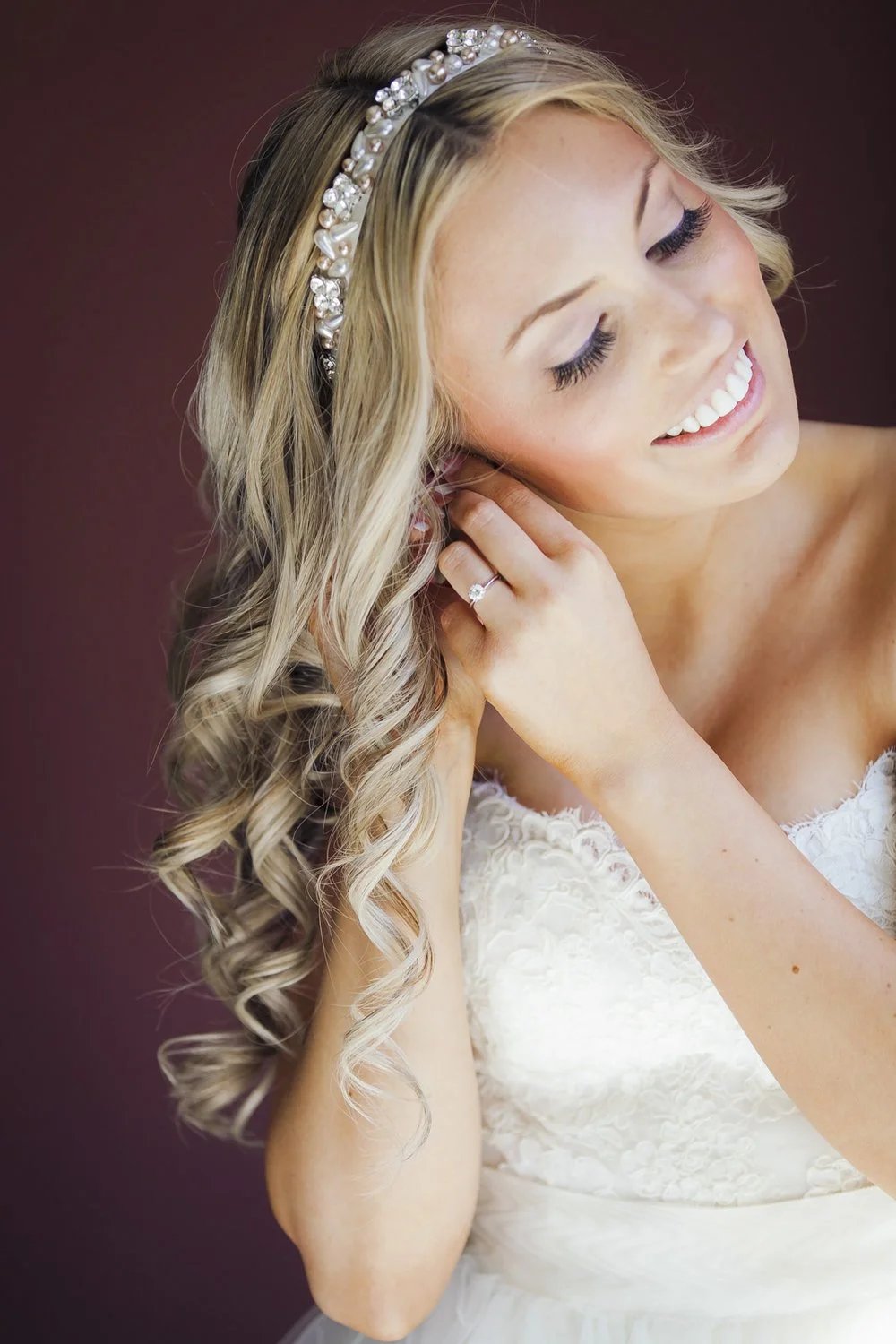
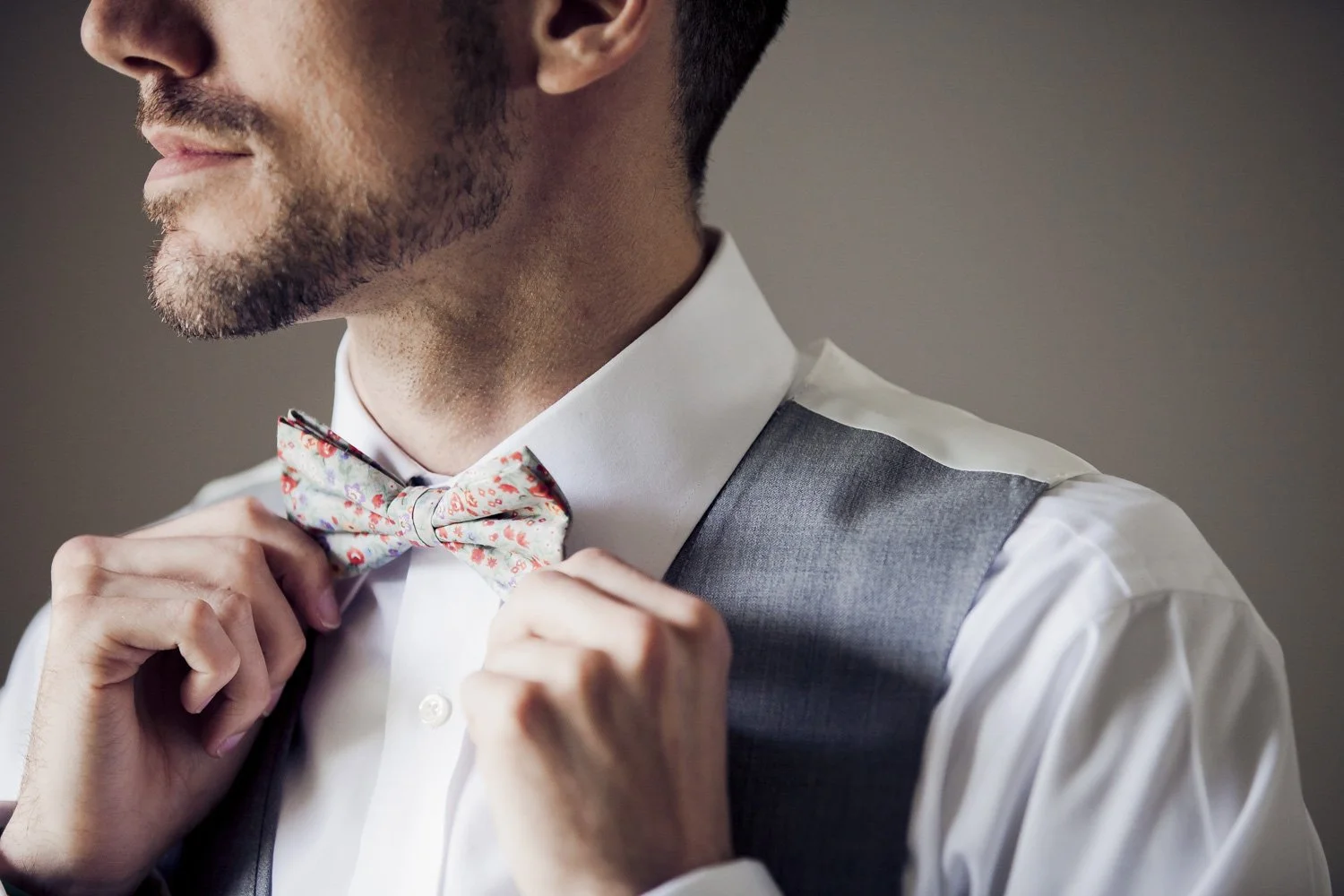
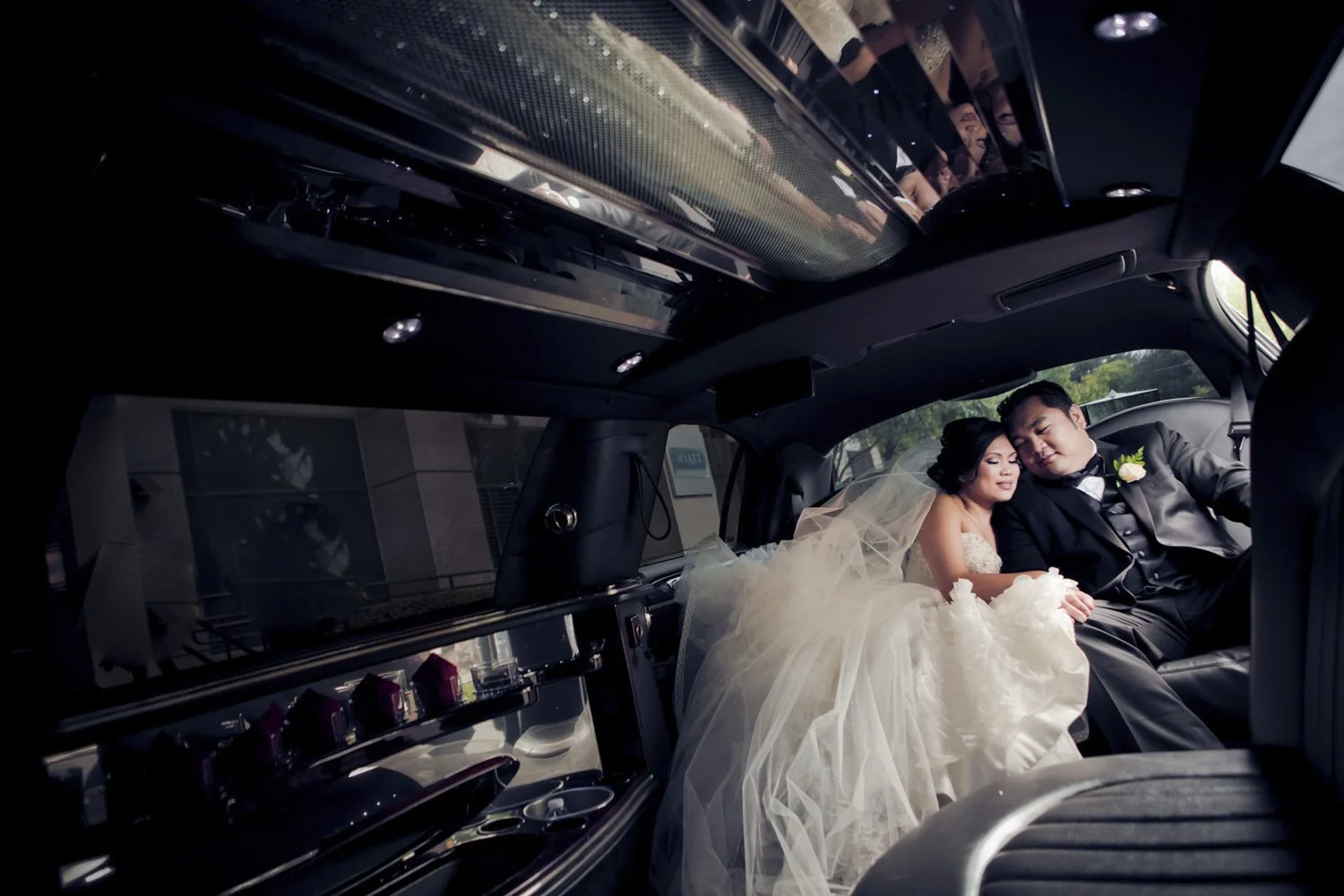
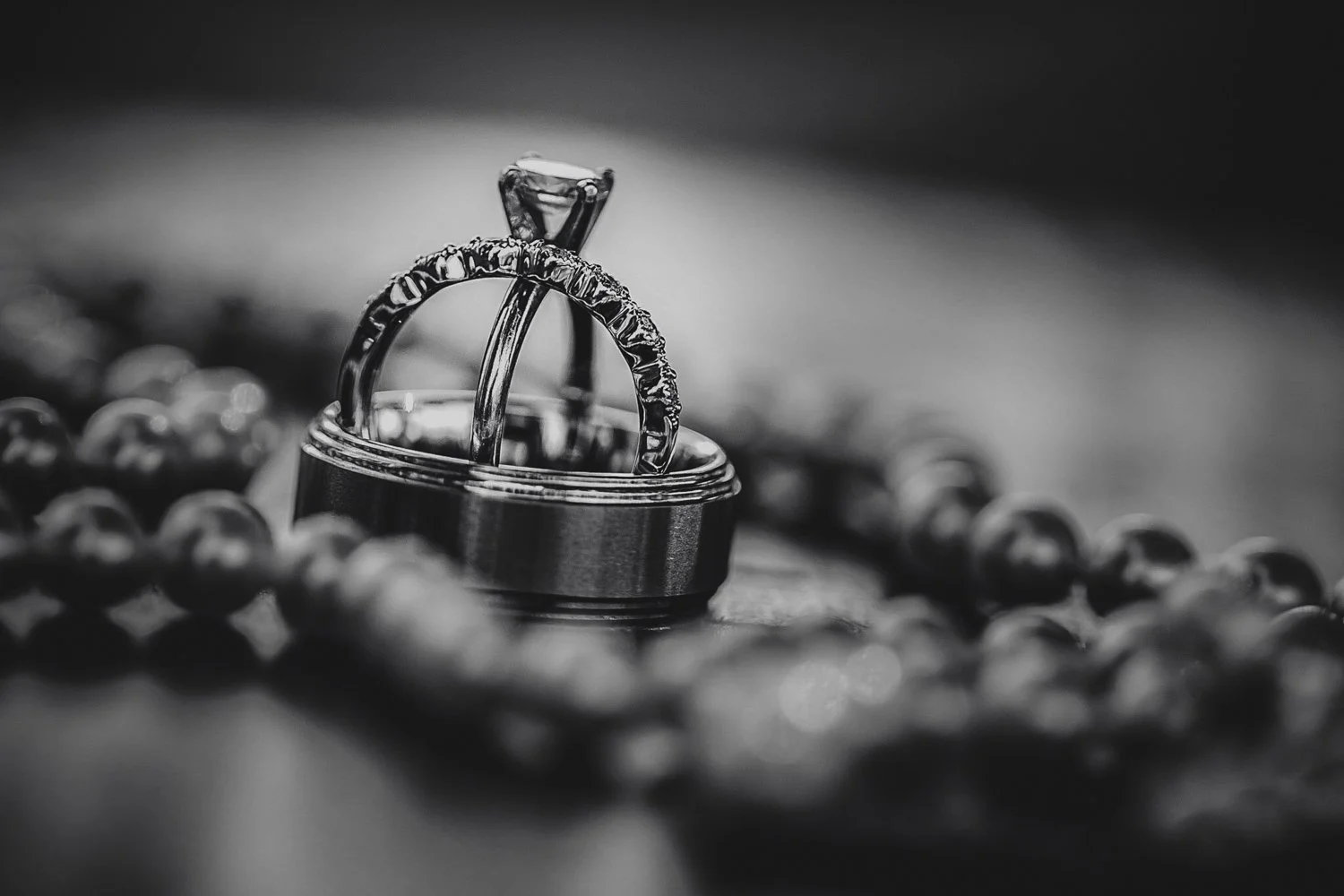
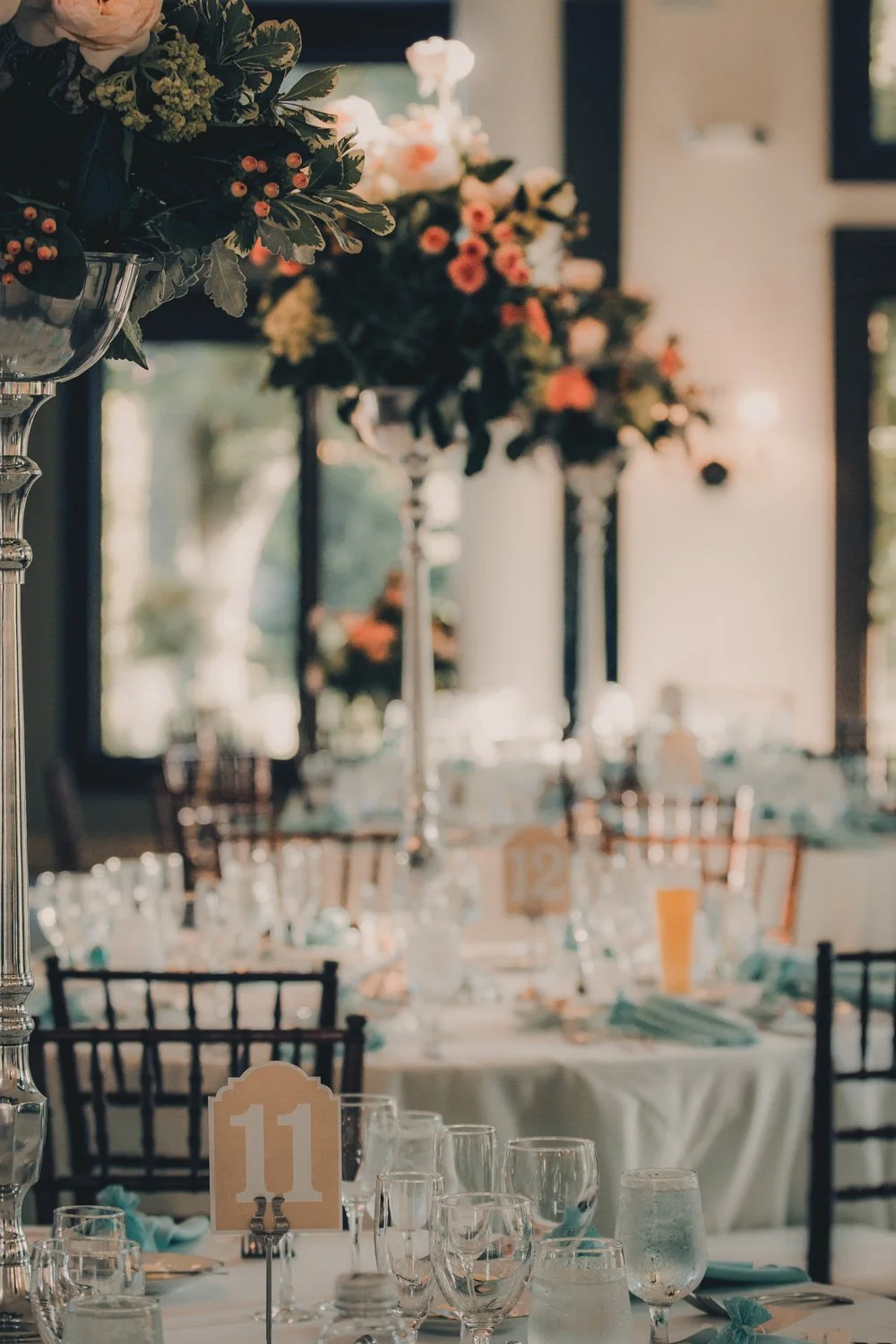
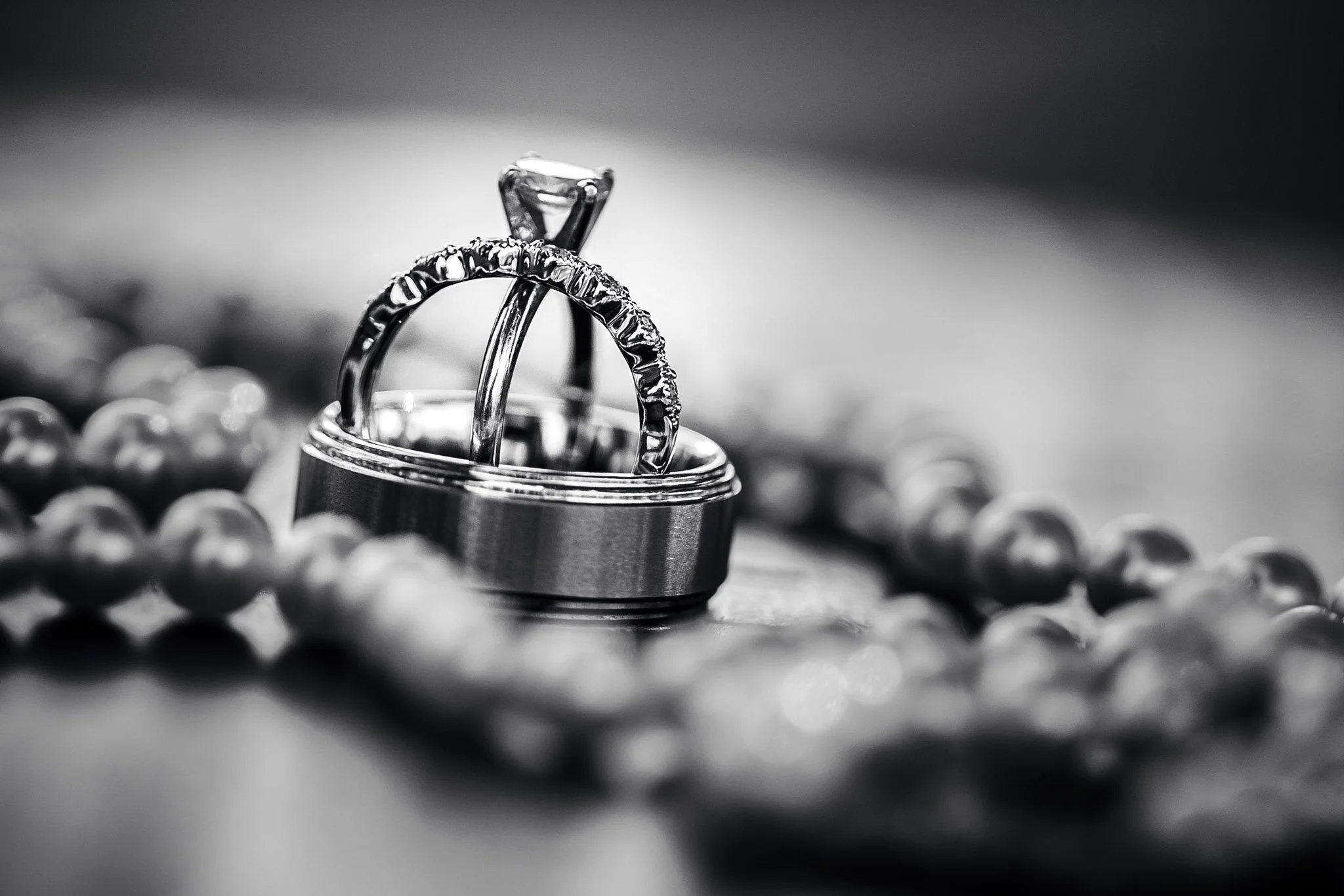
Weddings, by their nature, are designed to be photographed. There are so many little details - from the wedding rings and wedding dress to the table place cards and centerpieces - that deserve to be properly photographed. Perfectly styled hair and makeup by professional stylists will look their best when photographed in good lighting. A dramatic pocket of light may be the difference between an artistic portrait and a cheesy one. The emotional connection during special moments truly shines when they occur under ideal lighting. When looking back at all the wedding photos, they will look and feel that much more sublime as a result of creative lighting decisions to achieve the best shot.
3 - Creative control enhances your story.
Following on from the benefits of good lighting, it’s essential to note that having creative control does not make for an intrusive experience. On the contrary, it greatly benefits the wedding stories that transpire throughout the wedding day because genuine moments will still happen.
The personal relationships between people never ceases to naturally produce real, authentic interactions. Part of being a storyteller is understanding these relationships in order to continually predict what happens next, thus creating a scene for what will naturally occur. Identifying a bride and groom’s relationships with the people around them inspires opportunities for captivating interactions that are a beautiful display of love and companionship. All I do is put them in the right spot and let the magic happen.
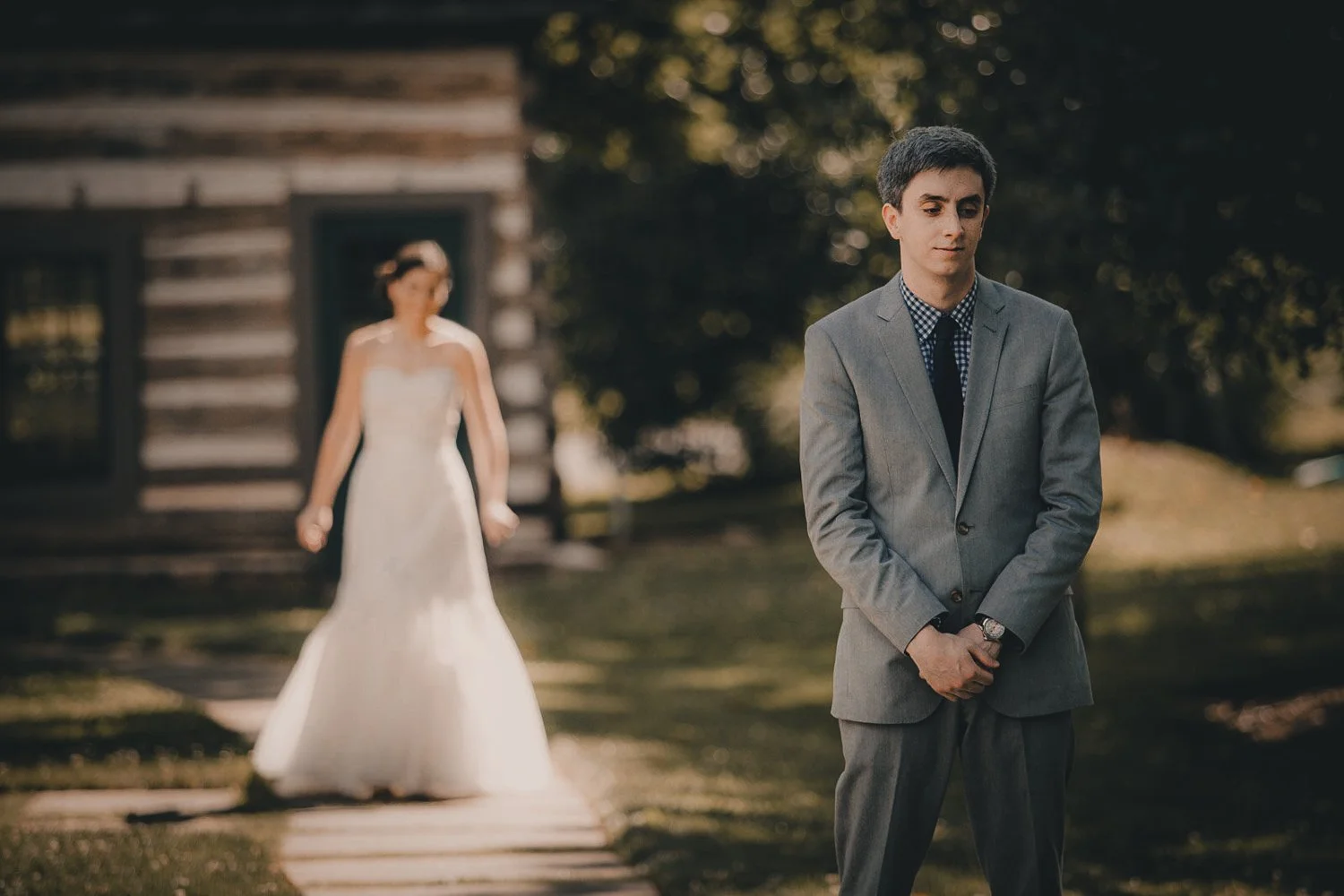
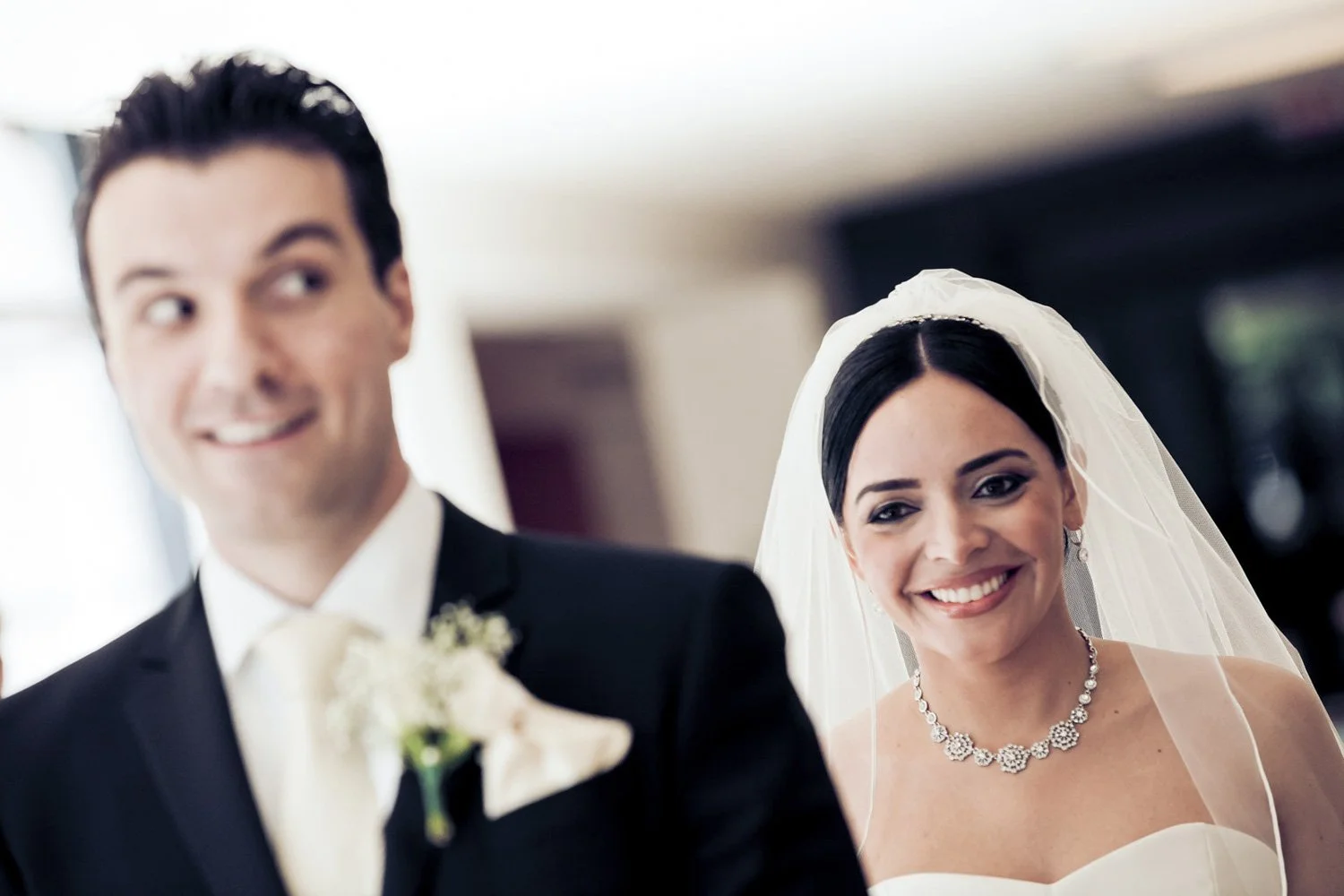
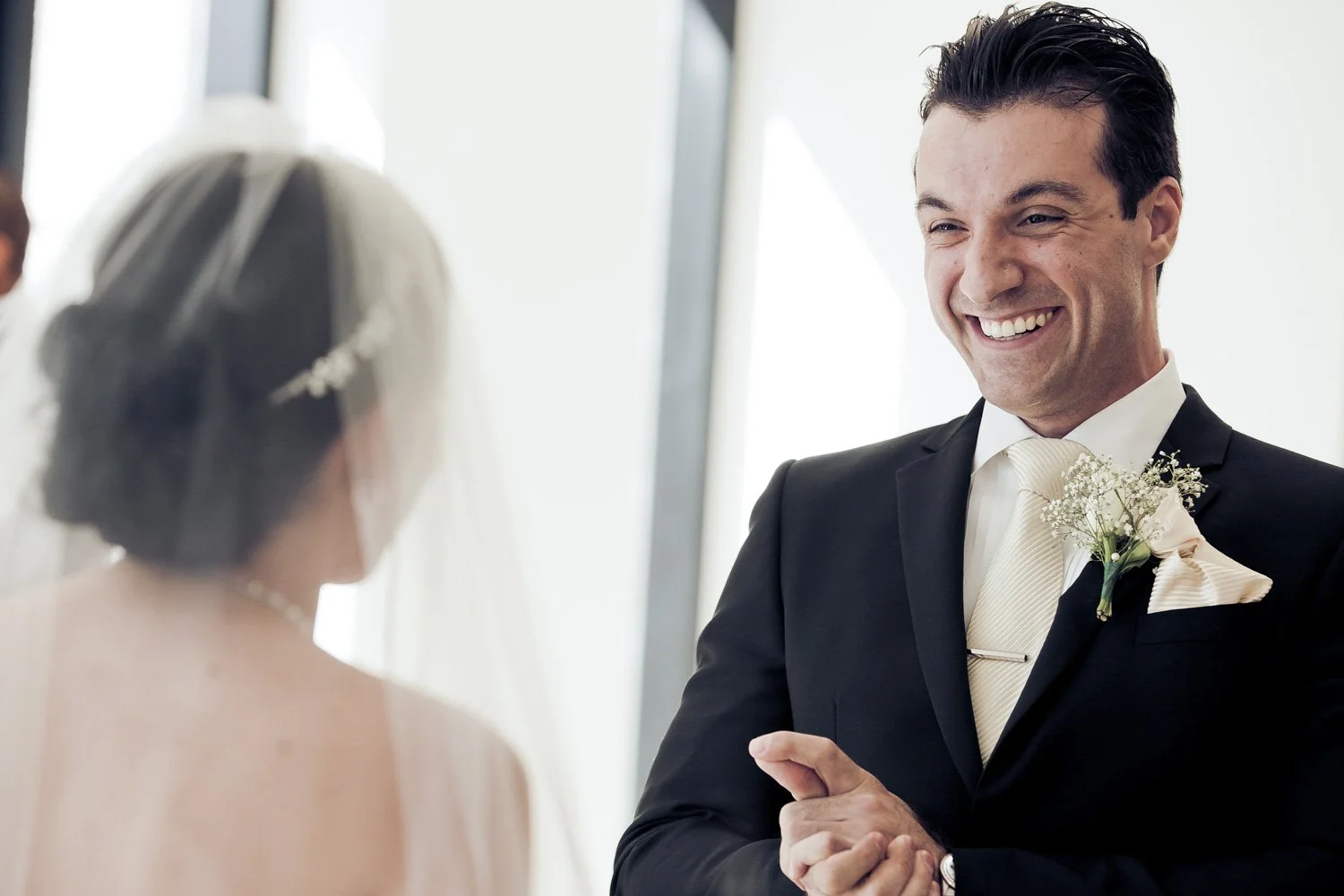
No other moment exemplifies the benefits of creative control like the first look. It is one of the most emotional moments between the bride and groom that can happen during their wedding day. Yet almost all first looks are initially set up and directed by the wedding photographer. When putting together the first look, I look for an ideal spot near the premises that is well lit and devoid of other people or guests. From there I tell the groom where to stand, and where the bride should wait for my cue before making her approach for the reveal. Everything that happens thereafter is real. Every smile, laugh, and tear happens not because they are told to do so, but because they are in their own special moment. It is one of the most beautiful parts of a wedding story completely unaffected by the initial set up.
Ready to get started?
Tips and guides to help you plan your Denver wedding while maximizing your wedding photography investment.
Wedding Planning Resources