WEDDING SCHEDULE GUIDE
PLAN A STRESS-FREE WEDDING SCHEDULE
After photographing hundreds of weddings across 13+ years, I have experienced both well-planned and poorly-planned wedding schedules to put together this guide to ideal wedding day scheduling with your sanity in mind. It’s a great starting point for your planning.
Wedding planners, coordinators, and even family members typically have their own recommendations on how to best schedule the many events and traditions that occur throughout a wedding. As a wedding photographer, I generally spend more time with my couples on their wedding day than any other vendor. I am there from the early hours of the bride and groom getting ready, all the way to the grand exit at the end of the wedding day. Therefore I have seen first-hand the many things that can affect a timeline to understand how to prevent them.
Common Wedding Day Challenges
Let’s first acknowledge and accept the following: Weddings rarely ever run on schedule.
And for the most part, that’s okay. A few minutes behind schedule is typically expected and won’t have a noticeable impact on your wedding. Our goal is to avoid being late by 30 minutes or more due to unforeseen circumstances that are typically preventable with extra time allotment. Below are several examples of occurrences that can cause delays in your timeline:
Hair and makeup taking longer than expected
Hair or makeup needs to be completely redone (this has happened!)
Lost wedding garments or accessories
Bridesmaid or groomsmen arriving late for prep
Flowers arrive later than planned
Getting dressed takes longer than expected
Traffic between locations is heavier than expected
Getting lost on the way to or between wedding venues
Officiant arrives late
Parking is difficult to find
A friend or family member feeling ill and requiring extra care
Any of these issues can occur and cause your timeline to slip. While some are easier to prevent than others, understand that no amount of meticulous planning is 100% immune to a surprise delay. Flexibility is the name of the game if you want to plan a schedule that allows you to overcome unexpected issues with minimal stress. Remember there is far more flexibility during the relaxed hours before the ceremony, so it’s never a bad idea to take advantage of that time and pad generously. Once the ceremony begins, it’s one formality after another with little room for unexpected delays.
Related Articles
Planning With Photography in Mind
Photography is one of the most important investments for your wedding, and some couples place more value on photography than others. My experience heavily involves cooperating with other vendors to understand the multitude of scheduling decisions that can affect your photography investment. This allows me to help you and your guests look their best for photos. More importantly, it will help minimize unpleasant wedding day surprises.|
It’s helpful to consider the idea that photography is a major part of the wedding day experience. Weddings by their nature are designed to be photographed, so the time investment you make here will certainly offer the most bang for your buck without compromising on any other part of your day. The goal is for everybody to enjoy your entire wedding day. Each section below includes the typical time allotment needed for thorough coverage:
Getting ready (Groom: 30-45 minutes, Bride: 1 hour)
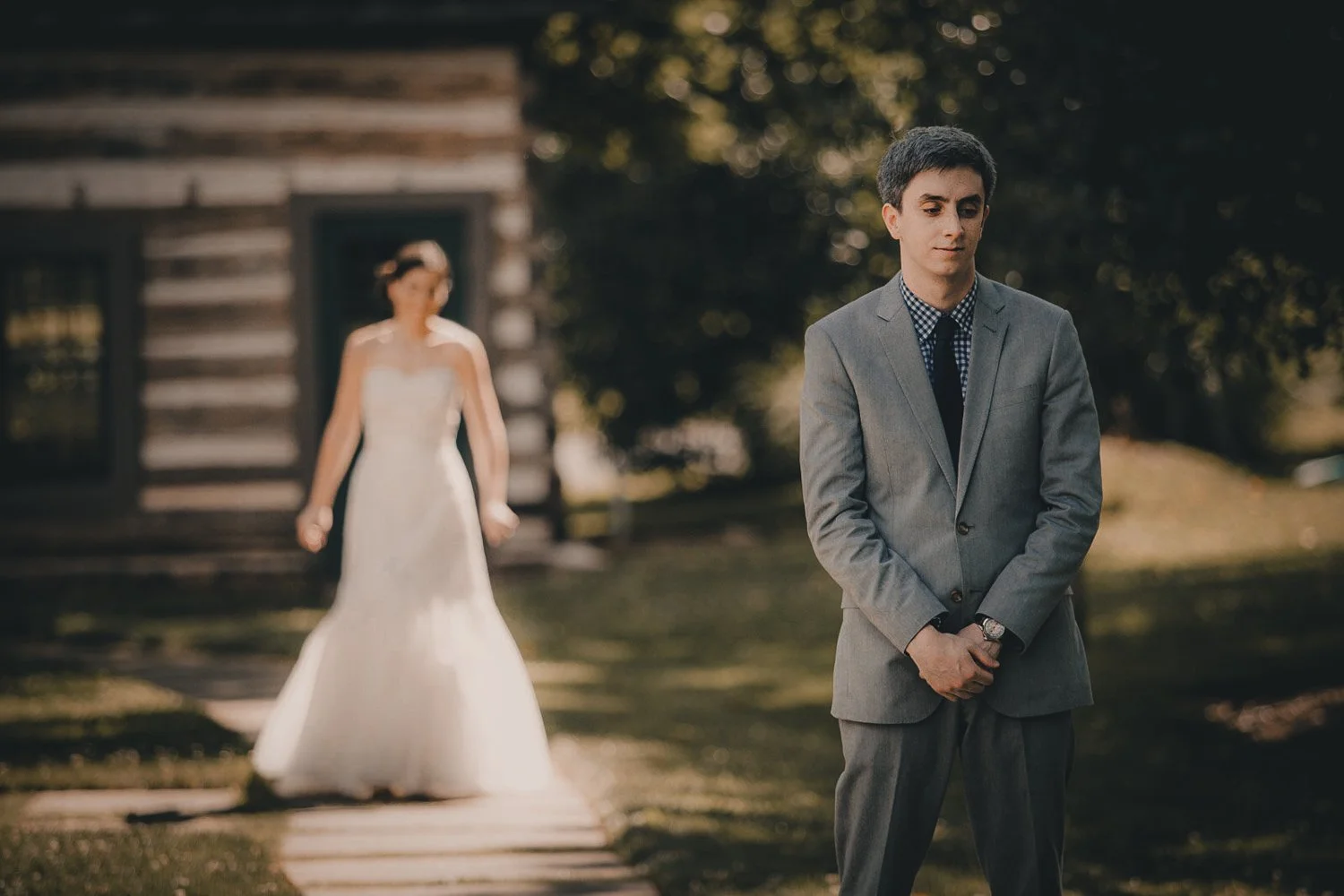
First Look (5 minutes)
Wedding Party Photos (30-45 minutes)
Formal Family Portraits (20-30 minutes)
Couple’s Portraits (1 hour)
Ceremony (30 minutes to 1 hour)
Reception (2.5 hours to 4 hours)
A major consideration here is whether or not to do a first look before the ceremony. It’s a growing tradition that most photographers and even wedding planners highly recommend. It’s a meaningful moment between you and your partner that also greatly eases the hectic pacing of your wedding schedule - specifically how it affects when the important portrait sessions take place.
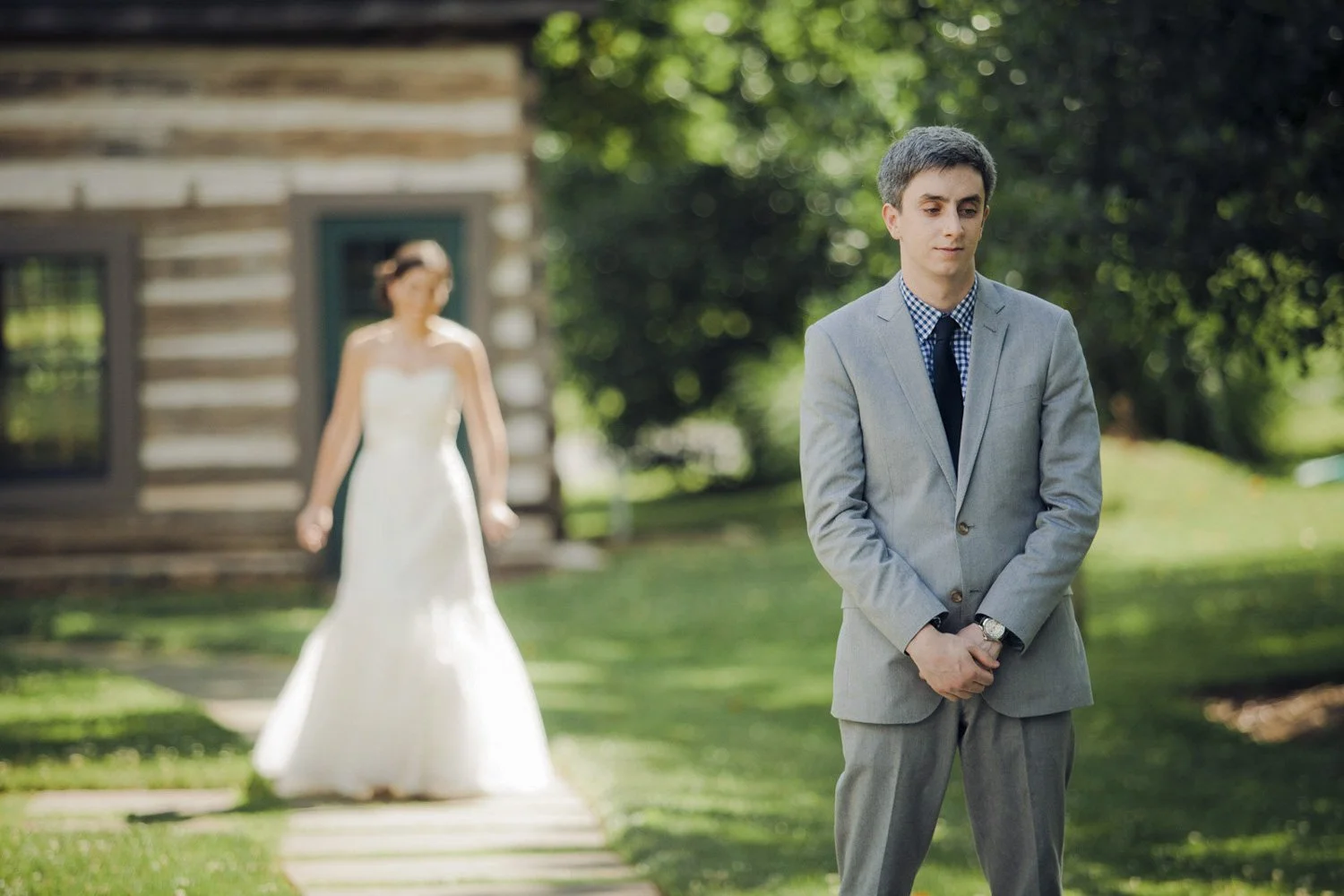
While portraits sessions after the ceremony is absolutely doable, having at least the wedding party and couple’s sessions take place before the ceremony will be beneficial to your schedule and everyone involved. Below are two examples of typical full wedding day schedules, one with a first look, and one without a first look. Take note of the difference in time allocation for the portrait sessions between the two schedules.
10:00 AM Hair and Makeup Begins
12:00 PM Flowers Arrive
12:00 PM Photography Begins
12:00 PM Men Getting Dressed
1:00 PM Hair & Makeup Finishing Up
1:30 PM Women Getting Dressed
2:15 PM Couple's First Look
2:20 PM Wedding Party Photos
3:00 PM Couple Alone Portraits
4:00 PM Couple Alone Portraits End
4:00 PM Pre-Ceremony Prep
4:30 PM Ceremony Begins
5:00 PM Ceremony Ends
5:00 PM Cocktail Hour Begins
5:00 PM Formal Family Portraits Begin
5:30 pm Formal Family Portraits End
6:00 PM Reception Begins
6:05 PM First Dance
6:10 PM Parent Dance #1
6:15 PM Parent Dance #2
6:20 PM Dinner Service
6:45 PM Toasts (during dinner)
7:30 PM Cake Cutting
7:45 PM Bouquet Toss
7:50 PM Garter Toss
8:00 PM Open Dancing
10:00 PM Reception Ends / Grand Exit
Example Schedule WITH First Look
12:00 PM Hair and Makeup Begins
12:00 PM Flowers Arrive
2:00 PM Photography Begins
2:00 PM Men Getting Dressed
2:30 PM Hair & Makeup Finishing Up
2:45 PM Women Getting Dressed
3:30 PM Bride & Bridesmaid Photos
3:45 PM Groom & Groomsmen Photos
4:00 PM Pre-Ceremony Prep
4:30 PM Ceremony Begins
5:00 PM Ceremony Ends
5:00 PM Cocktail Hour Begins
5:00 PM Formal Family Portraits
5:25 PM Wedding Party Photos
5:40 PM Couple Alone Portraits
6:00 PM Reception Begins
6:05 PM First Dance
6:10 PM Parent Dance #1
6:15 PM Parent Dance #2
6:20 PM Dinner Service
6:45 PM Toasts (during dinner)
7:30 PM Cake Cutting
7:45 PM Bouquet Toss
7:50 PM Garter Toss
8:00 PM Open Dancing
10:00 PM Reception Ends / Grand Exit
Example Schedule WITHOUT First Look
Multiple Locations vs. Single Location
These timelines presume that your entire wedding celebration occurs at a single location without any travel between venues. Examples of this are hotel weddings in which both the bride and groom reserve separate rooms to get ready, and the ceremony and reception take place in that same hotel’s ballroom. Weddings like this can eliminate as much as an hour of travel logistics.
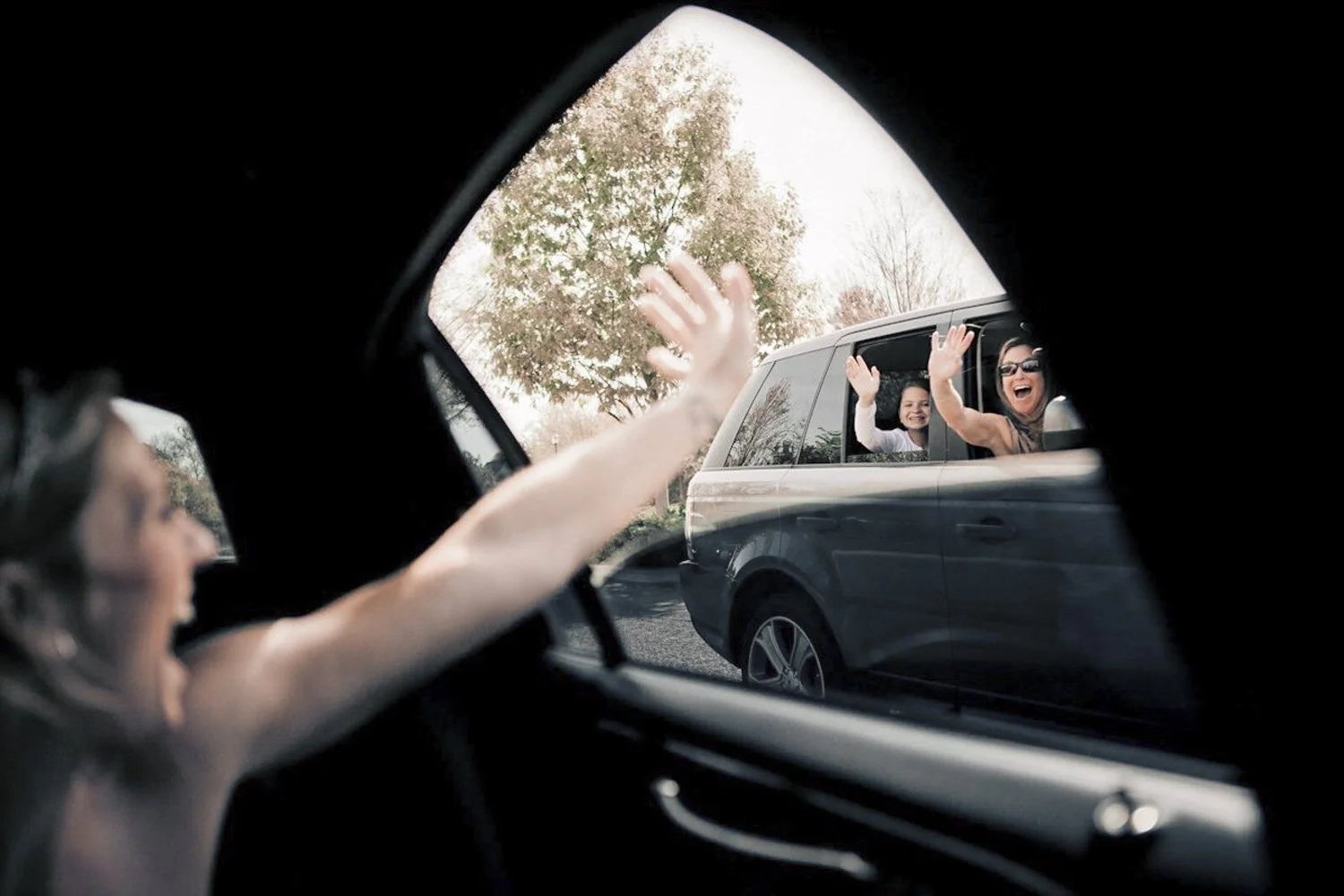
If travel between locations is required, additional time will need to be allotted to account for movement of you and your wedding party. Ideally you want to account for 5 minutes to find and exit transportation. Estimate the travel time between locations with Google Maps then pad additional time to address the unexpected such as traffic and difficult or distant parking. Keep in mind that the fewer the locations (and the closer they are from each other), the less time is spent traveling, and the less stressful it becomes.
Early Day Flexibility
As I mentioned earlier, the hours before the wedding ceremony (assuming a late afternoon ceremony) have far more flexibility. With a ceremony start time of 4pm, you can give yourself as much as 6 to 8 hours to do as much prep as needed. Hair and makeup is often the first point of delay, especially with a large bridal party. Giving yourself an extra hour or two by starting before noon will certainly guarantee that everyone will be done and satisfied well before the scramble to pack up and leave for the wedding venue. Ideally the bride will have her hair and makeup done last in order to be photographed once the photographer arrives to start shooting. And of course, the extra time you have to relax and enjoy each others’ company can also make great moments for candid photography.
Adding a first look plus the couple’s portrait session shortly after getting ready also allows for a relaxed and fun atmosphere. The lack of a looming time crunch is an important part of making sure you and everyone enjoys the day without stress.
Photography Considerations for the Reception
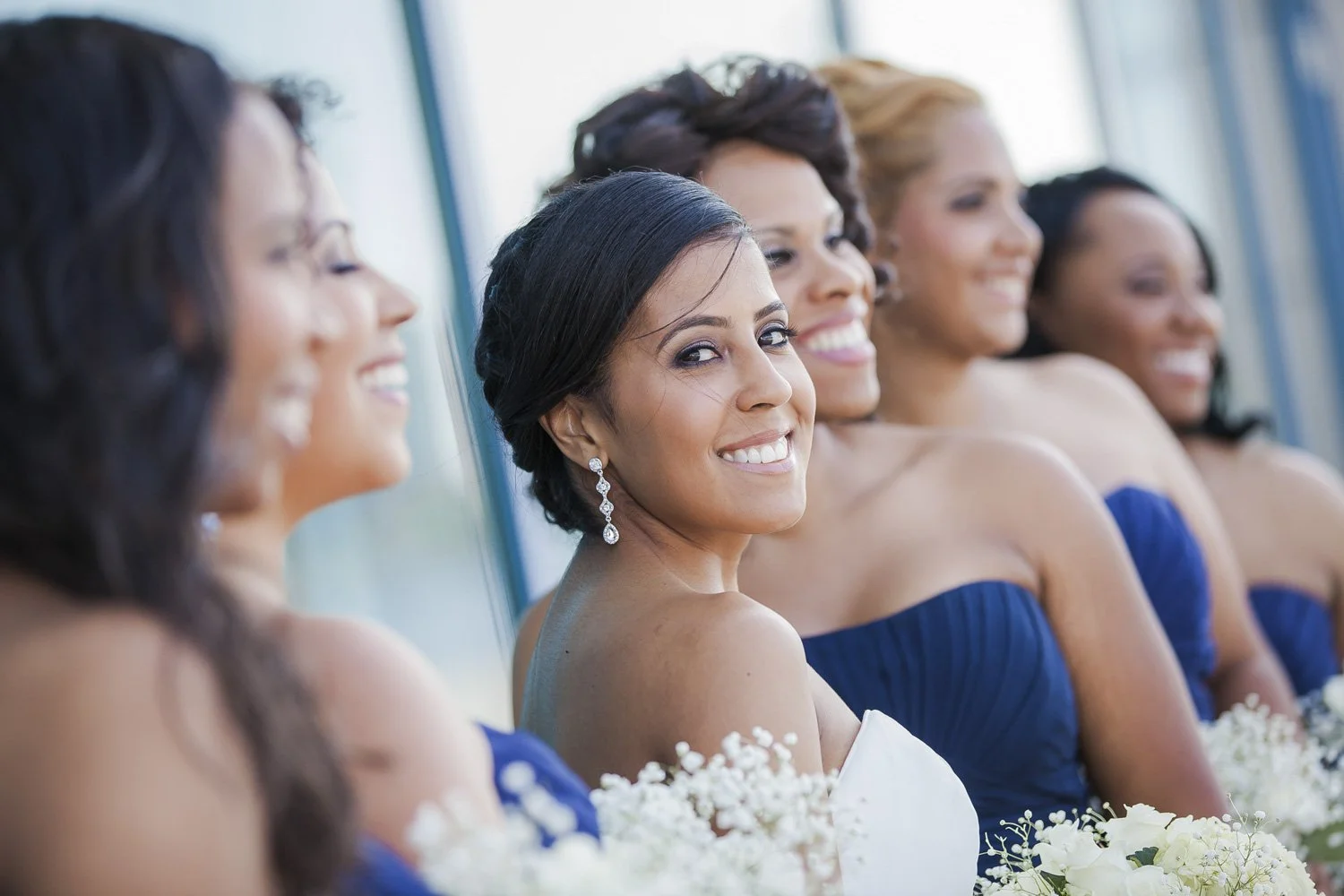
8 hours of photography is typical coverage for most weddings. However 8 hours may not always extend to the end of a reception to cover a grand exit if you plan on one. 10 hours on the other hand will almost always maximize wedding coverage from beginning to end. Otherwise I strongly recommend prioritizing more photography coverage for the first part of the day while you’re getting ready than having an overabundance of open dance floor coverage. There are far more interesting personal moments that can occur before the ceremony than within the 2 hours of open dancing.
Additionally, scheduling the reception formalities such as the cake cutting and bouquet/garter toss shortly after dinner can ensure they fit within the photography time limit. 30-45 minutes of reception coverage after dinner is generally sufficient to fully capture these formalities as well as the fun and energetic atmosphere of you and your guests enjoying the party.
Help Me Help You!
Ultimately scheduling decisions are finalized by you. Even if your final plan doesn’t exactly align with my recommendations, I will gladly work within those constraints. Nonetheless, I will continue to offer as much guidance as I can to accommodate your needs as well as the needs of all your vendors. I strongly recommend that you involve me in communication when it comes to important scheduling decisions so I can offer any input that may help you avoid the unexpected.
Ready to get started?
Tips and guides to help you plan your Denver wedding while maximizing your wedding photography investment.
Wedding Planning Resources